
Bali Digital Nomad Visa (Indonesia) - 2026 Update
)
Nadia Dardón
Immigration Content Writer
Last update
)

Indonesia Rating from Citizen Remote
Overall  4.2
4.2

Internet Infrastructure 4.0
Country Stability 4.0
Cost of Living 4.0
Ease of Obtaining Visa 5.0
Taxes 4.0
Quick Visa Facts

Visa length Up to 1 year

Possible to extend? es, subject to approval and current immigration rules.

Who can apply? Remote workers, freelancers, and business owners earning income from outside Indonesia.

Minimum Income Requirements Around $60,000 USD per year.

Time for visa applications Typically 5–10 working days, though it can take longer depending on the application.
Want to know if you can apply?
Complete a visa quiz and see if you qualify!
Bali has become one of the world’s top destinations for digital nomads, and it’s easy to see why. From beachfront cafés and coworking hubs to a thriving international community, the island offers the perfect balance between productivity and lifestyle.
As more remote workers choose Bali as their base, one question comes up again and again: Is there a Bali digital nomad visa?
The answer lies in Indonesia’s official visa options for remote professionals. Today, digital nomads can legally live in Bali through Indonesia’s Remote Worker Visa (E33G), a permit designed for those who earn income from abroad while enjoying life in Indonesia.
In this guide, we’ll walk you through everything you need to know about the Bali digital nomad visa, including requirements, eligibility, application steps, and what to expect when living and working remotely from Bali.
 Bali Digital Nomad Visa Overview
Indonesia’s digital nomad visa, officially known as the Remote Worker Visa (E33G), is designed for remote professionals who want to live in Bali while working for companies or clients based outside the country. Introduced as part of Indonesia’s broader effort to attract foreign talent and long-stay visitors, this visa provides a clear legal pathway for digital nomads to base themselves in Indonesia without needing local employment.
The visa is typically granted for up to 1 year, with the possibility of renewal depending on your situation and eligibility. It is issued as a limited-stay permit (KITAS/ITAS), which means you are classified as a temporary resident rather than a tourist.
Unlike traditional work visas, the Remote Worker Visa is designed for modern remote work. It allows you to enjoy Bali’s lifestyle while continuing your career or business abroad, without entering the local job market.
Who Is It For?
The Bali digital nomad visa is ideal for:
Remote employees working for companies based outside Indonesia.
Freelancers and independent contractors with international clients.
Online business owners and entrepreneurs earning income from abroad.
Digital nomads looking to stay in Bali long-term without relying on short-term visas.
To qualify, applicants generally need to demonstrate stable income from outside Indonesia and meet the minimum financial requirements set by immigration authorities.
What Does It Allow You to Do?
With Indonesia’s Remote Worker Visa, you can:
Live in Bali (or anywhere in Indonesia) for an extended period.
Work remotely for non-Indonesian companies or clients.
Travel in and out of Indonesia during the validity of your visa.
Enjoy access to services and accommodation as a temporary resident.
However, there are important restrictions to keep in mind:
You cannot work for Indonesian companies or clients.
You cannot earn income locally within Indonesia.
You must maintain your status as a remote worker with foreign-sourced income.

Bali Digital Nomad Visa Requirements
To apply for Indonesia’s Remote Worker Visa (E33G), you’ll need to prepare a set of standard documents along with a few key requirements that prove you can support yourself while living in Bali.
All applicants must typically provide:
A valid passport (with sufficient validity, usually at least 6 months)
A completed visa application form.
Recent passport-sized photographs.
A curriculum vitae (CV) or professional profile.
Proof of employment or business activity outside Indonesia.
A statement letter confirming you will comply with visa conditions.
Travel itinerary or proof of intended stay in Indonesia.
Proof of Financial Self-Sufficiency
One of the most important requirements is demonstrating that you can financially support yourself while living in Bali.
Applicants are generally required to show:
A minimum annual income of around $60,000 USD.
Recent bank statements proving consistent income or savings.
Evidence that all income is sourced from outside Indonesia.
This requirement ensures that digital nomads do not rely on the local economy for employment.
Proof of Remote Work
You must clearly demonstrate that you work remotely for non-Indonesian entities.
This can include:
An employment contract with a foreign company.
Freelance agreements or contracts with international clients.
Documentation showing ownership of an online business registered abroad.
The key condition is that your work and income must remain outside Indonesia.
Private Health Insurance
Applicants are required to have valid health insurance coverage for the duration of their stay.
Your policy should:
Cover medical expenses in Indonesia.
Be valid for the entire visa period.
Include hospitalization and emergency treatment.
Travel insurance is not accepted; it must be long-term residency health insurance. You can find our recommendations for the best health insurance plans here.
Proof of Accommodation
You may also need to provide proof of where you’ll be staying in Indonesia, such as:
A hotel booking.
A rental agreement or lease.
A letter from a host (if staying with someone)

How to Apply for the Bali Digital Nomad Visa – Step-by-Step Instructions
Applying for Indonesia’s Remote Worker Visa (E33G) is a relatively straightforward process, but it’s important to follow each step carefully to avoid delays or rejections. Here’s how to apply:
Step 1: Gather All Required Documents
Before starting your application, take the time to prepare all required documents. This includes your valid passport, proof of remote work, financial documentation, health insurance, and any supporting paperwork. Make sure everything is up to date, consistent, and available in digital format, as you’ll need to upload these files during the application process. Having everything ready in advance will make the process much smoother.
Step 2: Apply Through the Official Immigration Website
Once your documents are ready, you can submit your application through Indonesia’s official immigration portal. You’ll need to create an account, fill out the visa application form, and upload your documents. It’s important to review all information carefully before submitting, as even small errors can lead to delays or requests for corrections.
Step 3: Pay the Visa Fee
After submitting your application, you’ll be prompted to pay the visa fee online. Your application will only be processed once the payment has been successfully completed, so be sure to keep a copy of the payment confirmation for your records.
Step 4: Wait for Processing
Once everything has been submitted, your application will be reviewed by Indonesian immigration authorities. Processing times can vary depending on your case, but it generally takes several working days to a few weeks. During this time, you may be contacted if additional information or documents are required, so it’s important to monitor your email regularly.
Step 5: Receive Your E-Visa
If your application is approved, you’ll receive your electronic visa by email. You should download and print a copy, and carefully check that all the details are correct. This document is essential for entering Indonesia and should be kept accessible when you travel.
Step 6: Travel to Indonesia and Activate Your Stay
After receiving your visa, you can travel to Indonesia and begin your stay. Upon arrival, your visa will be activated, and you may be required to complete additional steps such as biometric registration or confirming your local address. Once this is done, you are legally allowed to live in Bali and work remotely under the conditions of your visa.

Stay Requirements for Bali, Indonesia
Once you receive your Bali digital nomad visa, there are a few important conditions you must follow to maintain your legal status in Indonesia. This visa is designed specifically for remote workers, so your stay must align with that purpose at all times.
You are required to continue working for companies or clients based outside Indonesia, and all of your income must come from abroad. Engaging in any form of local employment, business activity, or earning income from Indonesian sources is not permitted under this visa and could lead to penalties or cancellation of your stay.
Throughout your time in Bali, you must also ensure that your visa remains valid. This means keeping track of your visa’s expiration date and applying for an extension or renewal if you plan to stay longer. Overstaying your visa can result in fines or immigration issues, so it’s important to stay compliant with all deadlines.
In addition, you are expected to maintain valid health insurance coverage for the duration of your stay and to keep your personal and immigration information up to date. In some cases, you may be required to report your address or notify authorities of any significant changes to your situation.
Finally, while this visa allows multiple entries, you should always travel with the appropriate documentation and ensure that your visa remains active when re-entering Indonesia. Following these requirements will help you enjoy your time in Bali without complications and ensure a smooth, uninterrupted stay as a digital nomad.

How Much Does the Bali Digital Nomad Visa Cost?
The cost of the Bali digital nomad visa, officially Indonesia’s Remote Worker Visa (E33G), can vary depending on how you apply and whether you use additional services. While the government sets a base fee for the visa itself, there are often a few extra costs to consider when planning your application.
The official visa fee is typically in the range of $150 to $300 USD, depending on the type of permit and current immigration pricing. This fee is paid online during the application process and is required before your visa can be processed.
In addition to the visa fee, you may also need to budget for:
Health insurance, which is mandatory and must cover your entire stay.
Costs related to gathering documents, such as translations or certifications (if required)
Visa agent or consultancy fees, if you choose to apply with professional assistance (these can range from a few hundred to over $1,000 USD, depending on the service)
It’s also worth considering general relocation costs, such as flights to Indonesia and initial accommodation in Bali, although these are not part of the visa itself.
Overall, while the official visa fee is relatively affordable, the total cost will depend on your personal situation and whether you decide to handle the process independently or with expert help.

Taxes for People With a Bali Digital Nomad Visa
Understanding how taxes work is an essential part of planning your stay in Bali as a digital nomad. While Indonesia’s Remote Worker Visa (E33G) is designed for individuals earning income from abroad, it does not automatically exempt you from tax obligations.
In general, if you are living in Indonesia for an extended period, you may be considered a tax resident. This typically applies if you stay in the country for more than 183 days within a 12-month period. Once you become a tax resident, Indonesia may have the right to tax your worldwide income, depending on your specific situation.
That said, the intention behind the digital nomad visa is to attract remote workers who earn income from outside Indonesia. In practice, this means that many applicants structure their stay and finances carefully to remain compliant while avoiding unnecessary tax complications. However, tax treatment can vary based on factors such as your length of stay, income source, and whether your home country has a double taxation agreement with Indonesia.
It’s also important to remember that even if your income is earned abroad, you may still have tax obligations in your home country. Some countries tax global income regardless of where you live, while others only tax residents.
Because tax rules can be complex and change over time, it’s strongly recommended to consult with a qualified tax advisor who understands both Indonesian regulations and your home country’s tax system. This will help you stay compliant and avoid unexpected liabilities while living and working remotely from Bali.
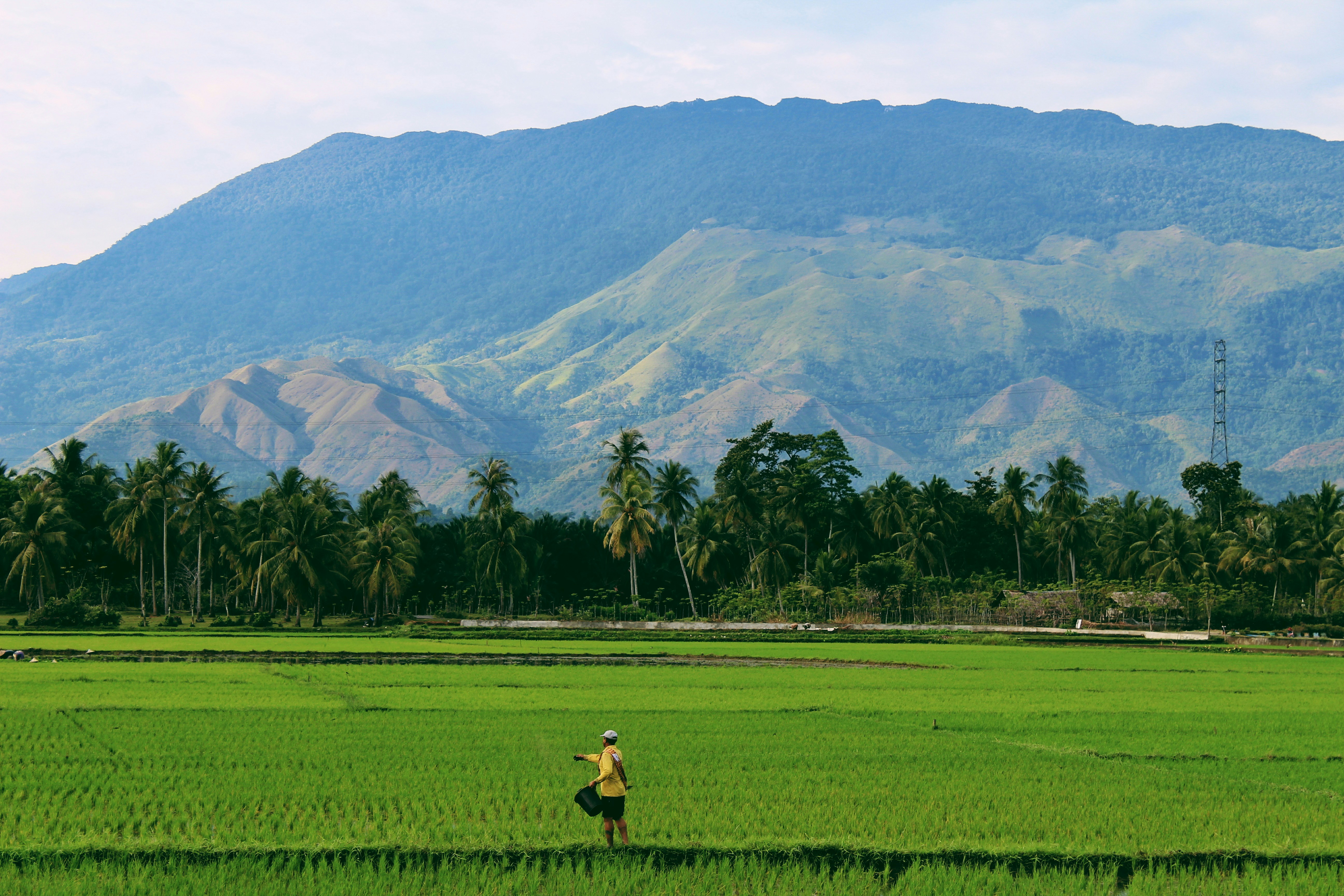
Living in Bali with the Digital Nomad Visa
Living in Bali as a digital nomad offers a lifestyle that’s hard to match. The island has become a global hub for remote workers, with areas like Canggu and Ubud known for their coworking spaces, laptop-friendly cafés, and strong international community. It’s easy to settle into a routine here, whether that means starting your day with a coffee by the beach, working from a coworking space, and ending it with a sunset or a yoga class. The infrastructure for remote work is well developed, making Bali one of the most convenient places in Southeast Asia to live and work online.
Beyond work, Bali offers a high quality of life at a relatively affordable cost. Accommodation ranges from budget-friendly apartments to private villas with pools, and eating out is both accessible and diverse, with everything from local warungs to international cuisine. The island also offers plenty to explore in your free time, from beaches and waterfalls to cultural experiences and weekend trips to nearby islands. With the flexibility of the digital nomad visa, many people find it easy to create a balanced lifestyle that combines productivity with a relaxed, tropical environment.
Cost of Living
The official currency of Indonesia is the Indonesian Rupiah (IDR). Based on the latest exchange rate, 1 IDR ≈ $0.000059 USD, which means that roughly 1 USD ≈ 16,900–17,000 IDR (rates may fluctuate slightly).
The average net monthly salary in Indonesia is around 7,000,000 IDR to 10,000,000 IDR, which equates to approximately $410 to $590 USD.
Here’s a rundown of what you should expect to pay in Bali:
Bali
Rent (1 bedroom in city center) – $500–$1,200 per month
Rent (3 bedrooms outside city center) – $900–$2,000 per month
Basic Utilities – $50–$150 per month
Wi-Fi – $20–$50 per month
Public Transport – $0.30–$1.00 one-way
Groceries (2 people) – $250–$500 per month
FAQs
How long can I stay in Bali with a digital nomad visa?
The Indonesia Remote Worker Visa (E33G) is typically valid for up to 1 year, with the possibility of renewal depending on your eligibility and current immigration rules.
Can I work for Indonesian companies while on this visa?
No, this visa is strictly for remote work. You can only work for companies or clients based outside Indonesia and cannot earn income locally.
Do I need to pay taxes in Indonesia as a digital nomad?
It depends on your length of stay and tax residency status. If you stay in Indonesia for more than 183 days, you may be considered a tax resident and could be subject to Indonesian taxes. It’s best to consult a tax professional for your specific situation.
Can freelancers apply for the Bali digital nomad visa?
Yes, freelancers can apply as long as they can prove they work with international clients and meet the financial requirements, including a stable income from outside Indonesia.
Is Bali the only place I can live with this visa?
No, the visa allows you to live anywhere in Indonesia. However, Bali is the most popular choice due to its strong digital nomad infrastructure and lifestyle.
Can I get help applying for a Bali Digital Nomad Visa?
If you need help applying for a visa, you can talk to Citizen Remote. Get specific advice from one of our experts, or outsource the entire application to our team.
Author
)
Nadia Dardón is a content creator from Guatemala. She has worked fully remotely for the past six years as a copywriter, editor, and content creator, working for different industries. She started her digital nomad journey in 2022 and currently lives as an expat in Spain.


